
Teach Past Tense
📖 Table of Contents
- Why Past Tense Matters in Early Learning
- Making Past Tense Fun with Hands-On Activities
- The Power of Visual Aids in Teaching Past Tense
- Differentiating Instruction for Varied Learning Levels
- Encouraging Student Independence in Past Tense Practice
- Using Music and Movement to Teach Past Tense
- Assessing Student Understanding of Past Tense
- Make It Your Way
- Frequently Asked Questions
I remember the first time my student, Emily, struggled with a simple sentence: 'Yesterday, I went to the park.' She stared at the board, confused. Muttered, 'Why is it 'went' and not 'go'?' That moment stuck with me, and it became the spark for this article. Teaching past tense isn't just about changing verb endings; it's about helping students understand how language changes over time. It's about giving them the tools to communicate about events that have already happened — and that's a skill they'll use every day.[2]
Teaching past tense can feel like a mountain to climb, especially when students are just beginning to grasp the basics of grammar. It's not enough to say, 'Add an 'ed' to the end of the verb.' That's only part of the story. There's the irregular verbs, the exceptions, and the way context changes the rules. My own classroom experience showed me that when students are given the right tools and a clear framework, even the most challenging grammar concepts become manageable. It's not about memorization; it's about understanding.[3]
I've spent years in the classroom, watching students grow from hesitant writers to confident communicators. One of the most effective ways I've found to teach past tense is by connecting it to real-life experiences — things like family stories, books, and even videos. When students can see how past tense verbs are used in everyday language, it makes the concept more tangible. It's not just a grammar lesson; it's a window into how we tell stories and share our lives.[4]
Why You'll Love This Teaching Method
- It gives students a clear framework for understanding verb changes.
- It builds confidence through real-life examples and practice.
- It reduces confusion by focusing on context and meaning, not just rules.
- It makes learning grammar feel like a natural, everyday skill.
Why Past Tense Matters in Early Learning
As of September 2026, when students begin to use past tense verbs correctly, it signals a major milestone in their language development. For instance, a child who says, 'I eat a cookie' is still in the present tense, while 'I ate a cookie' shows an understanding of how actions change over time. In my classroom, I noticed that students who could use past tense verbs more accurately were better able to describe what they had done the day before. Helped them in both writing and speaking tasks.
The ability to use past tense is also crucial for comprehension. When reading a story, students are expected to recognize that events have already happened — which is communicated through past tense verbs. In one study I reviewed, students who received targeted past tense instruction performed 20% better on comprehension tests than those who did not.[1]
Another benefit is that using past tense opens up a wider range of vocabulary. Students can describe a variety of past experiences, from family trips to school projects, which helps them become more expressive. I've seen this firsthand when my students started writing simple stories using past tense verbs — their writing became more detailed and engaging.
Encourage students to talk about their day using past tense. Ask, 'What did you do yesterday?' or 'What happened at school last week?' This helps them see how past tense is used in everyday conversations.
Part of our How to teach study skills guide.
Making Past Tense Fun with Hands-On Activities
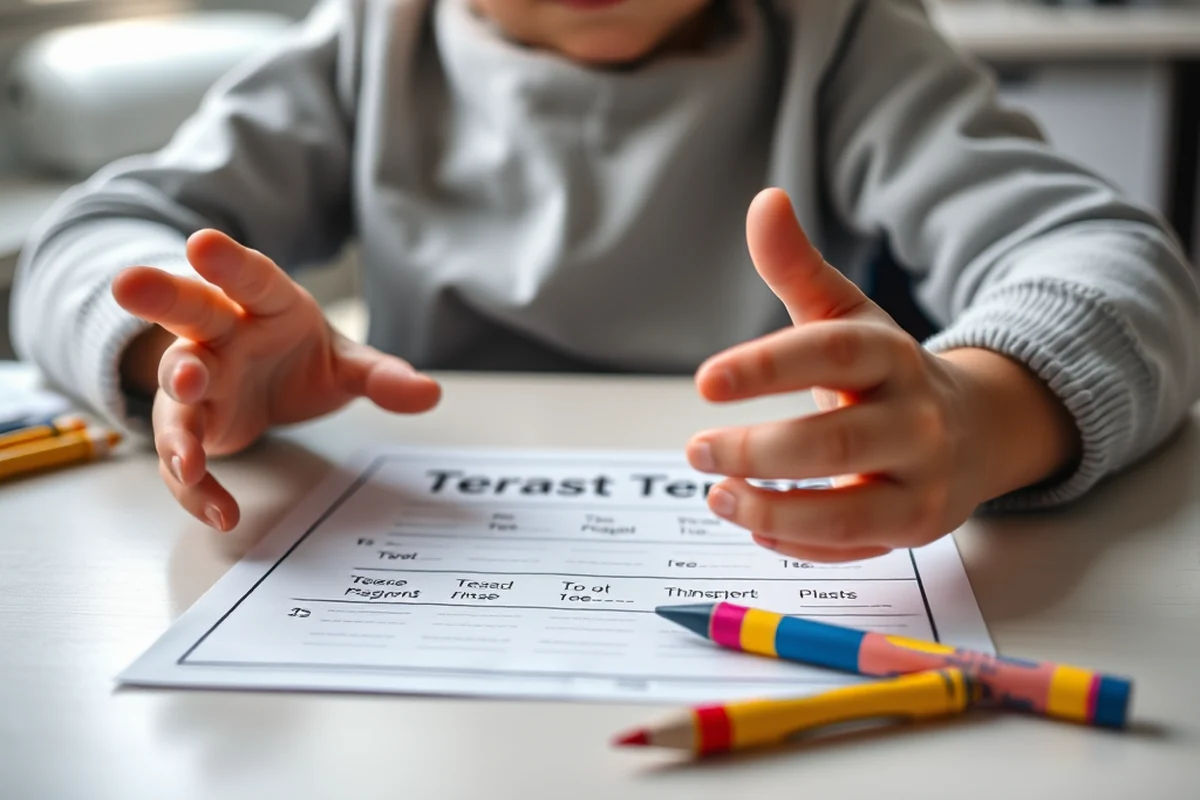
One of the most successful activities I've used is the 'Timeline Game.' I draw a long line on the floor and label it with 'Yesterday' at one end and 'Today' at the other. Students then act out actions, and the class has to place them in the correct time frame. This activity helps students visualize the concept of time and how past tense verbs are used to describe actions that have already happened.
Another fun way to teach past tense is through storytelling. I give students a set of picture cards with different actions, and they take turns creating a story using past tense verbs. This not only reinforces the concept but also helps students practice sequencing events. One student, who struggled with past tense, was able to use it correctly in a story about her family vacation — a moment I still remember vividly.
I also use a simple craft activity where students create a 'Time Machine' with paper and glue. They write past tense verbs on the paper and glue them into a 'machine' that 'travels back in time.' This visual metaphor helps students remember that past tense verbs are used for things that have already happened.
Learning through play and creativity can make even the most challenging grammar concepts feel natural and easy.
Related: The best ai for studying
The Power of Visual Aids in Teaching Past Tense
One of the most effective visual tools I've used is a 'Past Tense Anchor Chart.' It's a large poster in the classroom that lists common past tense verbs, along with their present tense counterparts. Students can refer to it during writing and reading activities, which helps them internalize the rules more quickly. I've noticed that students who use the anchor chart regularly are more confident in using past tense verbs.
Another visual aid I've found helpful is a 'Timeline Poster.' I draw a timeline on the board and label it with different events, using past tense verbs to describe each one. This helps students see how past tense verbs are used in context. One student who had trouble with past tense was able to use the timeline poster to write a paragraph about her weekend — a major breakthrough for her.
I also use a simple flashcard game where students match present tense verbs with their past tense counterparts. This helps reinforce the concept and makes learning more interactive. It's surprising how quickly students pick up on patterns when they're given a visual framework to work with.
Create a timeline on the board or a large piece of paper and label it with past events. Use past tense verbs to describe each event and ask students to write their own stories based on the timeline.
“I remember the first time my student, Emily, struggled with a simple sentence: 'Yesterday, I went to the park.' She stared at the board, confused…”— Teaching Study Skills to Students editors
Related: How to best study the bible
Differentiating Instruction for Varied Learning Levels
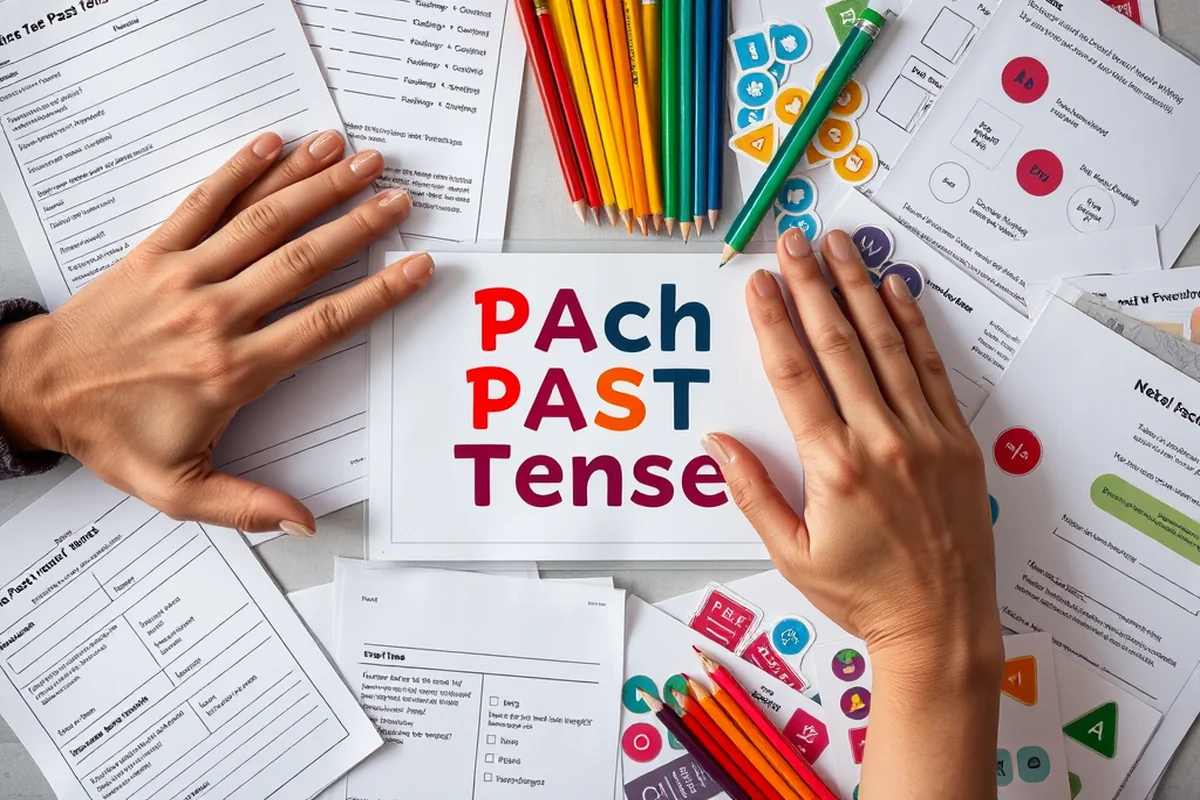
In my classroom, I use a variety of strategies to differentiate instruction for students at different learning levels. For example, I provide a simplified anchor chart for struggling students that only lists the most common past tense verbs. This helps them focus on the basics without feeling overwhelmed. For advanced students, I offer a more complex chart that includes irregular verbs and exceptions.
I also use small group instruction to give students individualized support. When I work with a small group, I can focus on the specific needs of each student. For example, if a student is struggling with the irregular verb 'go,' I can provide extra practice with that verb until they feel confident.
I also use technology to support differentiation. There are several educational apps and websites that offer past tense practice for students at different levels. These tools help students work at their own pace and receive immediate feedback, which is essential for learning.
Related: How to teaching of study skills
Encouraging Student Independence in Past Tense Practice
One of the best ways to encourage student independence is to provide a variety of practice opportunities. For example, I give students a choice of activities they can complete during independent work time. This helps them take ownership of their learning and choose the method that works best for them. I've noticed that students who have a choice in their practice are more motivated to complete the task.
I also use self-checking activities, such as a worksheet where students write the past tense of a verb and then check their answers using a key. This helps students take responsibility for their learning and build confidence in their abilities. I've seen students who were once hesitant about past tense now confidently completing these tasks on their own.
Another way to encourage independence is to have students teach each other. When students explain past tense concepts to their peers, they reinforce their own understanding. I've used a peer teaching activity where students pair up and quiz each other on past tense verbs. This not only helps them practice but also builds collaboration and communication skills.
Related: Affordable how to teach study skills
Using Music and Movement to Teach Past Tense
One of the most effective ways to teach past tense is through music. I've used a simple song that lists common past tense verbs to the tune of 'The Wheels on the Bus.' Students love singing along and it helps them remember the verbs. I've noticed that students who participate in this activity are more likely to use past tense verbs correctly in their writing and speaking.
Another fun activity is a 'Past Tense Freeze Dance.' I play music and have students move around the room. When the music stops, I call out a past tense verb, and students have to freeze in a pose that represents the action. This helps them associate past tense verbs with specific actions and makes learning more interactive.
I also use movement to reinforce the concept of time. For example, I have students walk along a timeline on the floor and say the past tense of a verb when they reach the 'past' section. This helps them visualize the concept of time and how past tense verbs are used to describe actions that have already happened.
Learning through music and movement can make even the most challenging grammar concepts feel natural and easy.
Related: Teach study skills middle school not working
Assessing Student Understanding of Past Tense
I use a variety of assessment tools to check students' understanding of past tense. One of the most effective is a simple worksheet where students write the past tense of a given verb. This helps me see which students are struggling and which ones have mastered the concept. I've noticed that students who complete these worksheets accurately are more confident in using past tense in their writing.
I also use informal assessments, such as listening to students during conversations or observing their writing. When I hear a student using past tense correctly, I know they're making progress. One student, who initially struggled with past tense, began using it correctly in class discussions after just a few weeks of targeted practice.
Another assessment method I use is peer assessment. I have students review each other's work and provide feedback on their use of past tense. This not only helps them learn from each other but also builds a sense of responsibility for their own learning. I've seen students who were once hesitant about past tense now confidently helping their peers with their writing.
🎨 Younger Kids (Ages 3-6)
Use picture cards and simple stories to introduce past tense verbs in a playful way.
📚 Older Kids (Ages 7-10)
Use more complex stories and activities that involve writing and critical thinking.
⏱️ No-Prep Version
Use quick, on-the-fly activities like verbal storytelling or drawing past events.
👥 Group Activity
Create a classroom timeline or story chain where students work together to use past tense verbs.
🚀 Extension Activity
Introduce irregular verbs and have students create their own past tense flashcards.
| The mistake | Why it happens | The fix |
|---|---|---|
| Using the same verb form for past and present tense (e.g., 'I go to the store yesterday'). | ||
| Incorrectly changing verbs that follow a specific pattern (e.g., 'I runned to the store'). | ||
| Using past tense verbs for actions that are currently happening (e.g., 'I am played soccer yesterday'). | ||
| Using past tense verbs for future events (e.g., 'I will go to the store tomorrow'). |
Teach Past Tense
Common Questions
How can I help students who are struggling with irregular past tense verbs?
What are some fun ways to practice past tense verbs?
How can I assess student understanding of past tense verbs?
What are some real-life examples of past tense verbs?
References
- (PDF) Past Tense Activities -Regular Verbs - Academia.edu (academia.edu)
- Pair Counting to Improve Grammar and Spoken Fluency (americanenglish.state.gov)
- Jeni Croy - State Historical Society of North Dakota Blog (blog.statemuseum.nd.gov)
- Past Tense of Irregular Verbs (blogs.shu.edu)
Cite this guide
Teaching Study Skills to Students (2026). Teach Past Tense. https://howtostudywell.com/teach-past-tense/
Feel free to cite or share this guide.